
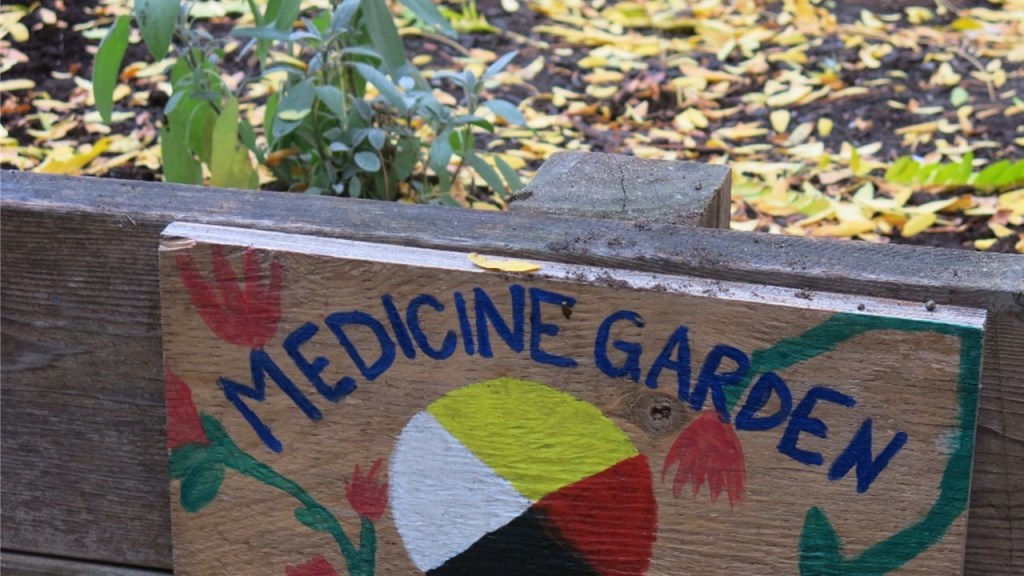
I want to learn more. Where do I start?
We’re often asked by non-Indigenous colleagues who want to become better allies where they can start. Here are a few suggestions and a resource list.


Resources
If you’re not sure where to start, begin with some of the resources on decolonizing. They will help you approach and process what you find in the other links.
Becoming an Ally/ Decolonizing
Everyone calls themselves an ally until it’s time to do some real ally shit A zine with practical tips and ways to think about allyship
4 Rs Youth LAND BACK! What do we mean? A short article on how to be an ally in land reclamation
Unsettling the Settler Within An academic article by Paulette Regan
The Settler Playbook: Understanding Responses to #ShutDownCanada in Historical Context An article on some common tactics that non-Indigenous people use to maintain the status quo and deny privilege
Whitewashed Hope A comparison of Indigenous world views to regenerative agriculture and permaculture
The RÉSEAU de la communauté autochtone à Montréal/Montreal Indigenous Community Network has an ally toolkit in English and in French, among other resources.
Land and water
Land Back: A Yellowhead Red Paper on how Canada dispossesses Indigenous people from the land and what communities are doing to get it back
Atlantic First Nations Water Authority website
Water Allies A settler/ally UofT research group on water – research, building alliances and promoting strategies to protect water
Indigenous environmental history of Toronto by Jon Johnson
Land as pedagogy: Nishnaabeg intelligence and rebellious transformation by Leanne Betasamosake Simpson
Fire, Forests, and Our Lands: An Indigenous Ecological Perspective An article on fire ecology
Queer the Land is a Seattle-based collaborative project grounded in the self-determination of queer, trans, and two spirit Black/indigenous/people of color (QT2BIPOC) and the vision of collectively owning land and labor.
Indigenous food sovereignty
Dawn Morrison defines Indigenous Food Sovereignty
Food Secure Canada discussion paper on Indigenous food sovereignty
Joseph Pitawanakwat shares teachings about plants, place and health through blog postings and videos and a Facebook page
Treaties, territories and self-determination
NativeLand.ca international map with territories, languages, treaties
A Treaty Guide for Torontonians – multimedia exploration by the Toronto Treaty Collective
https://nandogikendan.com/treaties
First People’s Law Articles on current legal initiatives defending and advancing Indigenous peoples’ Aboriginal title, rights and Treaty rights
https://firststoryblog.wordpress.com/ Exploring the Indigenous history of Toronto
Government of Canada database of treaties searchable by keyword, location or postal code.
Realizing a Nation-to-Nation Relationship with the Indigenous Peoples of Canada Address by Jody Wilson-Raybould on steps needed for true reconciliation
Canadian Geographic Indigenous Peoples Atlas of Canada is available at the Toronto Public Library
Future Ground Network’s How to Acknowledge Indigenous territory
Key Documents
Truth and Reconciliation Commission (TRC) has exhibits, links to reports, teaching resources
Lee Maracle’s reflection on the findings of the Truth and Reconciliation Commission
National Inquiry into Murdered and Missing Indigenous Women, Girls and Two Spirit people – final report and calls to action, plus stories, art and video submissions from contributors
The Canadian government knew about the conditions in residential schools as early as 1907 with the Bryce Report
Canadian Human Rights Tribunal finds Canadian government discriminates against Indigenous children
United Nations Declaration on the Rights of Indigenous Peoples(UNDRIP) – text available in multiple languages.
Language
Gidinwewininaan (The Sound of Our Language) – pronunciation of Anishnaabowin
Anishnaabemoda (Waking Up Ojibwe) – teaching and learning Anishnaabowin
The Ogimaa Mikana Project is an effort to restore Anishinaabemowin place-names to the streets, avenues, roads, paths, and trails of Gichi Kiiwenging (Toronto) – transforming a landscape that often obscures or makes invisible the presence of Indigenous peoples.
Ciimaan/Kahuwe’yá/Qajaq language initiative at U of T
Government of Canada Indigenous languages website
Protocols
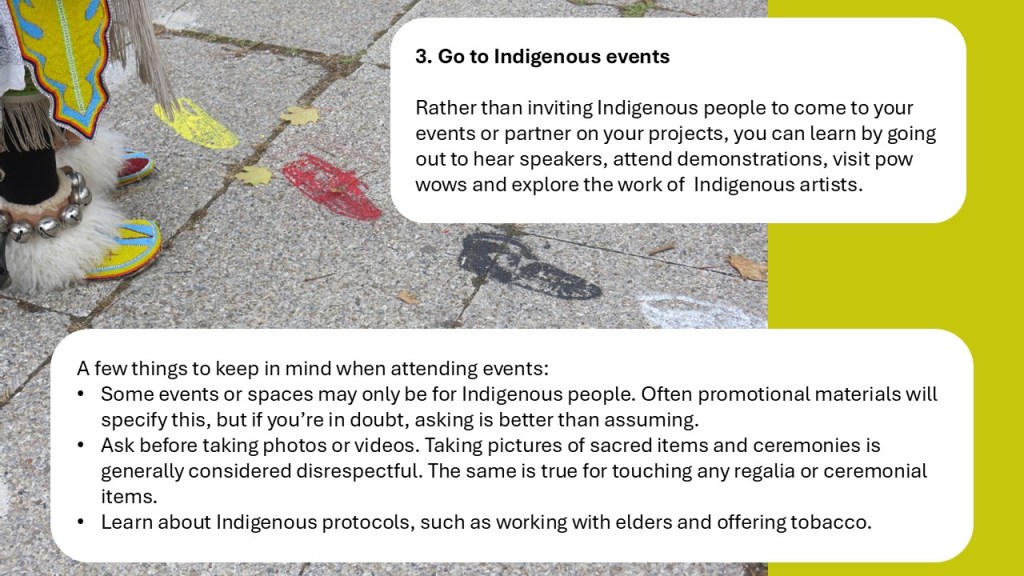
Things to consider at a pow wow
Guidelines for working with Indigenous elders
Guidelines for projects involving traditional Indigenous knowledge
Two Spirited People
2 Spirited People of the 1st Nations
8 things you should know about 2 Spirit People
Remains of children in residential schools
Woodland Cultural Centre Save the Evidence campaign
Earth to Tables Legacies essay on the Mohawk Institute and reclaiming food traditions, with facilitating questions
Multimedia
Nandogikendan – multimedia education site with an abundance of links, art and discussion questions
Red Dress project – multimedia art by artist Jaime Black highlighting murdered and missing Indigenous women
Walking Eagle News political satire
Earth to Tables Legacies – videos, photo essays and facilitation guides documenting intergenerational and intercultural exchanges between farmers, food activists and academics in Mexico, Six Nations and Canada.
The Moccasin Indentifier – promotes public awareness of significant cultural historical sites and the ancestral presence of First Nations, Metis and Indigenous Communities.
http://activehistory.ca/remember-i-resist-i-redraw/ posters
11 books to read from Edmonton Public Library
Black-Indigenous solidarity
 Toronto Urban Growers